
Why Our Printing Doesn’t Fade
What Makes Our Printing Permanent?
Most printing methods place colour only on the surface of a product. Over time, repeated washing, handling, dishwashing, sunlight, or abrasion can cause those prints to weaken, scratch, or wear down.
Our process works differently.
We print using ceramic-based materials and then fire the piece in a kiln at high temperature. During firing, the artwork bonds into the glaze of the porcelain itself — becoming part of the surface rather than sitting on top of it.
This is why our custom porcelain is trusted for restaurants, hospitality, commemorative plates, display work, and long-term use.
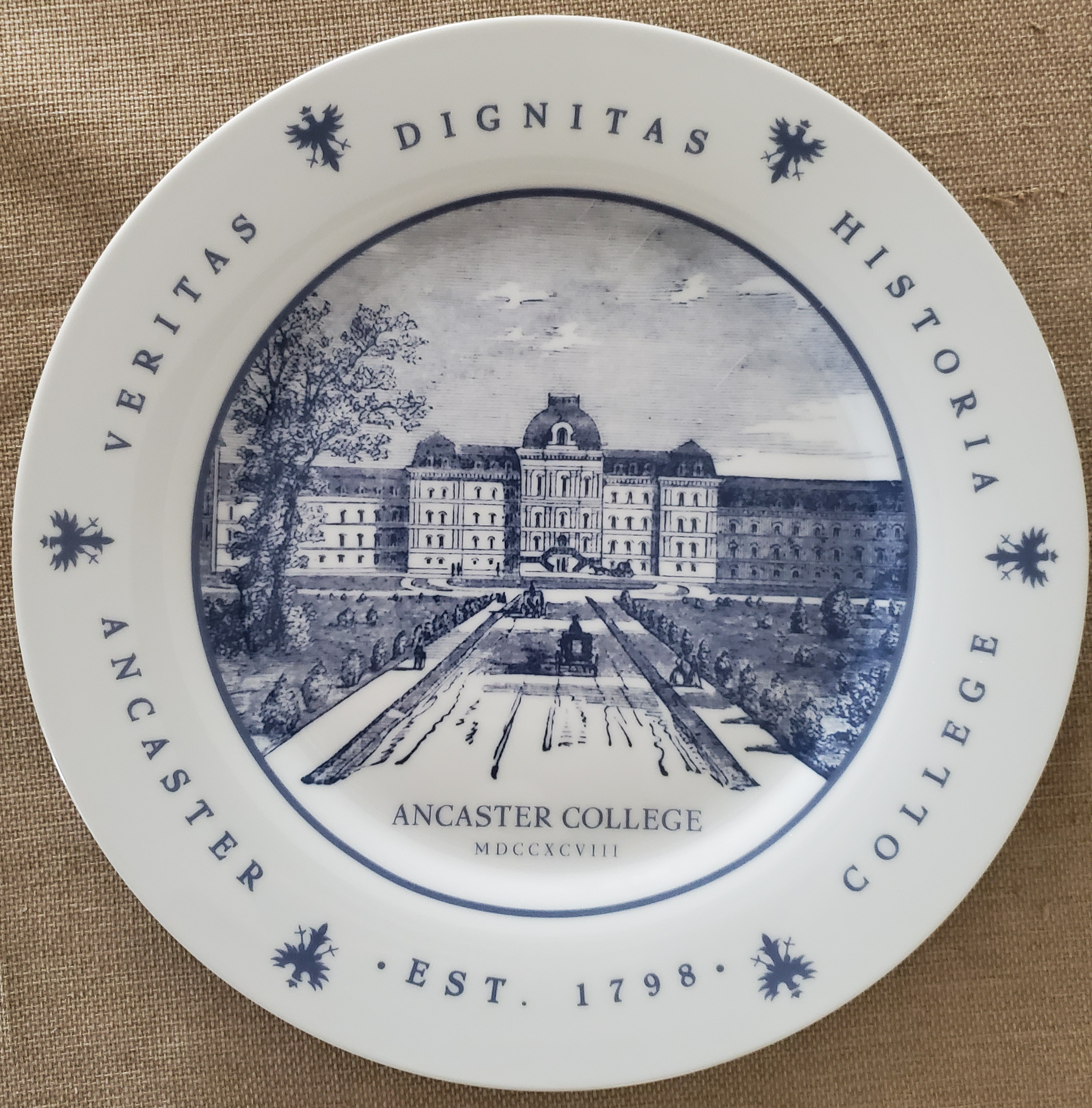
Kiln-Fired Printing vs Surface Printing (Including Dye Sublimation)
Some printing methods, including dye sublimation and other surface-printing techniques, place the image on top of the product rather than permanently firing it into the material.
With kiln-fired porcelain printing, the artwork is fused into the glaze of the porcelain itself using high-temperature firing.
|
Surface Printing (including dye sublimation) |
Kiln-Fired Porcelain Printing |
|---|---|
| Image sits on top of the surface | Artwork becomes part of the porcelain glaze |
| May scratch, wear, or fade over time | Highly durable and designed for long-term use |
| Often used for short-term promotional products | Used for porcelain plates, mugs, restaurant ware, and tile installations |
| Surface-applied decoration, often produced at relatively low temperatures (commonly around 380–400°F for a few minutes depending on method) | High-temperature kiln firing, typically ranging from approximately 1600°F to over 2000°F during a multi-stage firing process |
The difference is simple: our process permanently fuses the artwork into the porcelain rather than decorating only the surface.
Where Permanent Porcelain Printing Matters
Durability matters most when porcelain will be used repeatedly, handled often, washed frequently, or displayed long-term.
That is why kiln-fired porcelain printing is often chosen for:
- Restaurant dishware — branded plates, mugs, and hospitality pieces that see repeated washing and daily use.
- Corporate and commemorative gifts — custom porcelain meant to be kept and appreciated for years.
- Memorial and keepsake plates — meaningful pieces where permanence matters.
- Architectural and outdoor porcelain tile projects — installations designed for long-term durability.
- Collectors, display plates, and premium presentations — when quality and longevity matter.
When permanence matters, kiln-fired porcelain offers a very different level of durability than temporary surface decoration.
Common Questions About Durability
Will the print fade over time?
Our kiln-fired porcelain printing is designed for long-term durability. Because the artwork is fired into the glaze of the porcelain, it is not simply sitting on the surface.
Is your porcelain printing dishwasher safe?
Yes. Most of our kiln-fired porcelain printing is dishwasher safe. (Gold and platinum metallic rims should generally be hand washed.)
Is the printing food safe?
Yes. We do not use lead or cadmium-based pigments in our printing process and focus on food-safe porcelain decoration.
Can restaurant plates handle daily use?
Yes. Many customers choose kiln-fired porcelain because it is designed for repeated handling, washing, and long-term use.
What makes kiln-fired printing different?
Most surface printing methods decorate the surface only. Our process permanently bonds the artwork into the glaze using commercial kiln heat.
Learn More About Our Process
Want to understand exactly how our porcelain printing works?
See How Our Porcelain Printing Process Works →
Or explore some of our most popular porcelain products: